
Our Purpose
The horizon line is a quiet invitation to imagine what lies beyond.
That idea shapes how we approach design—bringing clarity to complexity, helping people see what’s ahead, and creating spaces that feel balanced, grounded, and full of potential.
Our purpose is thoughtful community impact. Every project we take on is measured not just by its design quality or technical execution, but by how meaningfully it serves the people and community it’s built for.
Our Approach
-
We begin by establishing the project framework: assembling the design team and consultant roster, identifying authorities having jurisdiction, and developing a preliminary understanding of the project’s scope, budget, and constraints.
-
Programming is the foundation of the entire project. We will develop a comprehensive Project Premise document through direct engagement with staff, leadership, and stakeholders.
Conduct staff surveys, departmental interviews, and workflow observation sessions to understand how the facility actually operates day-to-day.
Define all project rooms and spaces (including exterior spaces), adjacency requirements, security zones, and flexibility needs.
Document applicable codes and AHJ contacts, structural and MEP systems descriptions, anticipated fire suppression requirements, and building materials narrative.
Establish the functional program: clinical spaces (exam rooms, immunization areas, counseling rooms), administrative offices, conference/training rooms, community outreach spaces, lobby, support areas, storage needs, and manufacturing space.
Engage the construction committee in early conversations about priorities, operational preferences, and future growth projections.
-
Given the potential for adaptive reuse of existing facilities, thorough existing conditions documentation is critical to informing the design direction.
Commission measured drawings or 3D scan of the existing facility.
Obtain site survey, geotechnical reports, and environmental assessments as needed.
Coordinate private utility locates.
Evaluate the structural capacity, mechanical/electrical infrastructure, and building envelope of the existing facility to determine suitability for use.
-
Schematic Design is where options become visible. We will present concept sketches for multiple scenarios, providing our clients with committee clear, comparable options.
Develop concept sketches for the site.
Produce site plans showing building location, parking, outdoor spaces, and utility connections for each option.
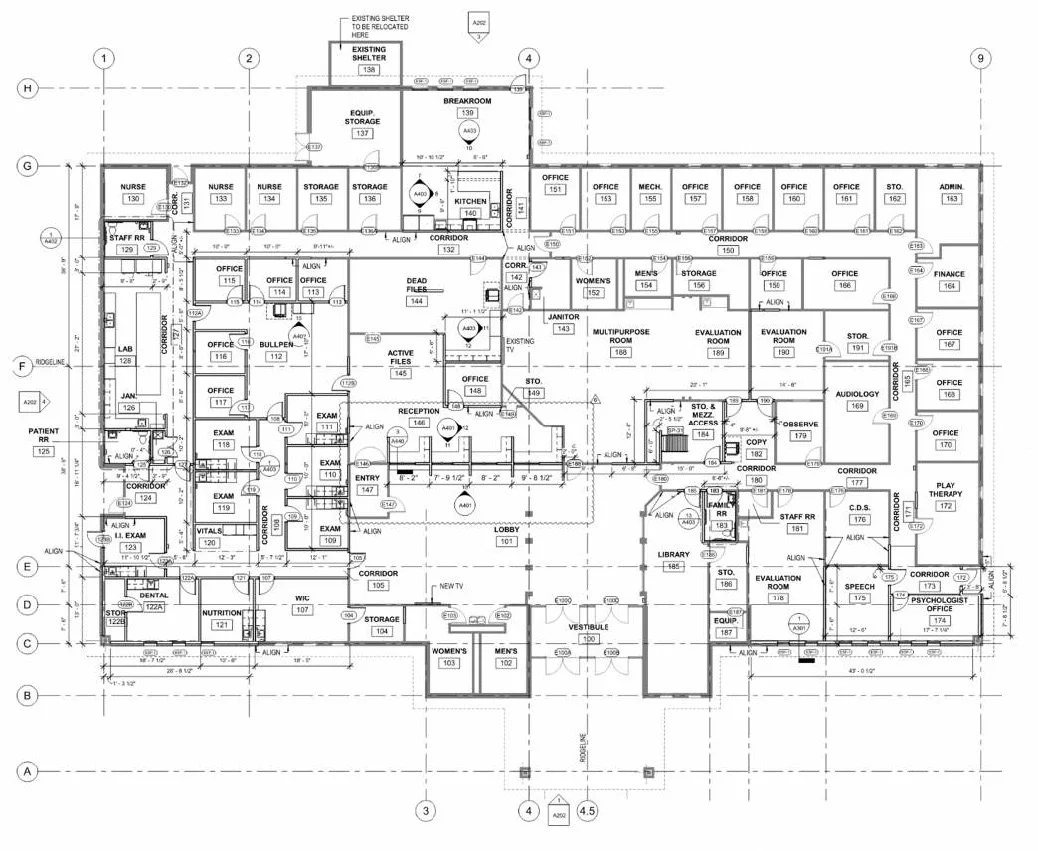
Develop floor plans illustrating all spaces with dimensions, demonstrating code and plumbing compliance.
Prepare exterior elevations showing building form, anticipated finishes, glazing scope, and roofing systems.
Describe interior finish classes (A, B, C) and anticipated material palette.
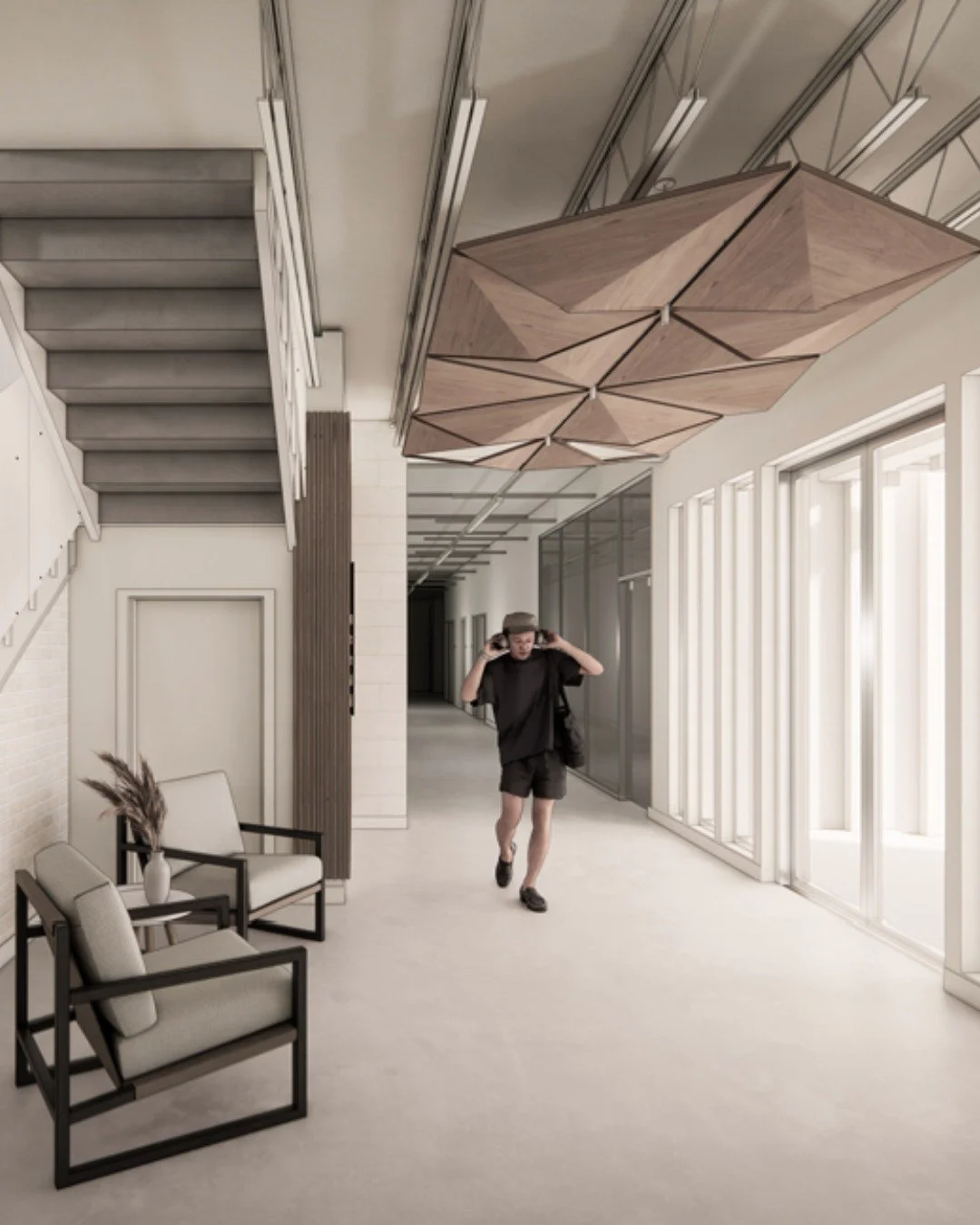
Produce conceptual 3D exterior renderings to illustrate building form (not finished renderings at this stage).
Update the Project Premise with schedule through bidding and a conceptual budget comparison across options.
Present options with honest assessments of cost, schedule, functionality, and long-term flexibility for each path.
At the conclusion of Schematic Design, the project scope will be defined. Horizon Line will then provide a detailed fee proposal for the remaining phases based on the confirmed direction, scope, and complexity.
-
With the project direction confirmed, Design Development advances the selected concept into a fully coordinated design package.
Update Project Premise with refined scope, schedule, and budget.
Develop outline specifications and material selection boards for construction committee review.
Conduct preliminary code review meeting with AHJ.
Produce coordinated architectural drawings: site plan, foundation layout, floor plan, reflected ceiling plan, roof plan, exterior and interior elevations, building sections, and preliminary wall sections.
Coordinate mechanical plans (unit locations, zoning, duct routing), electrical plans (power, lighting, data/communication layouts), and plumbing plans (fixture locations, routing).
Prepare final 3D renderings.
Execute QA/QC Checklist (QC1 and QC2) with Principal, Technical Lead, and Studio Manager review.
Facilitate construction committee sessions for color, texture, fabric, and furniture selections. Our interior design team will present curated options with physical samples and, where available, access to our network of vendor showrooms for hands-on review.
-
Construction Documents translate the approved design into a fully detailed, permit-ready, and bid-ready package.
Final drawings including detailed wall sections, details, and complete schedules (wall types, doors/windows, storefront, finishes, all MEP items).
Complete specifications for all bidding, contract, and material requirements.
Final code review document and submission to AHJ for permitting.
Budget comparison update and schedule through bidding.
Execute QC3 sign-off prior to document release.
-
We manage the bidding process to ensure competitive, qualified responses and a smooth transition to construction.
Issue bid addenda and respond to contractor clarifications.
Provide complete bid tabulation and budget comparison update.
Issue letter of recommendation from the contractor for subcontractors.
Coordinate permit submission and track comments through approval with AHJ.
-
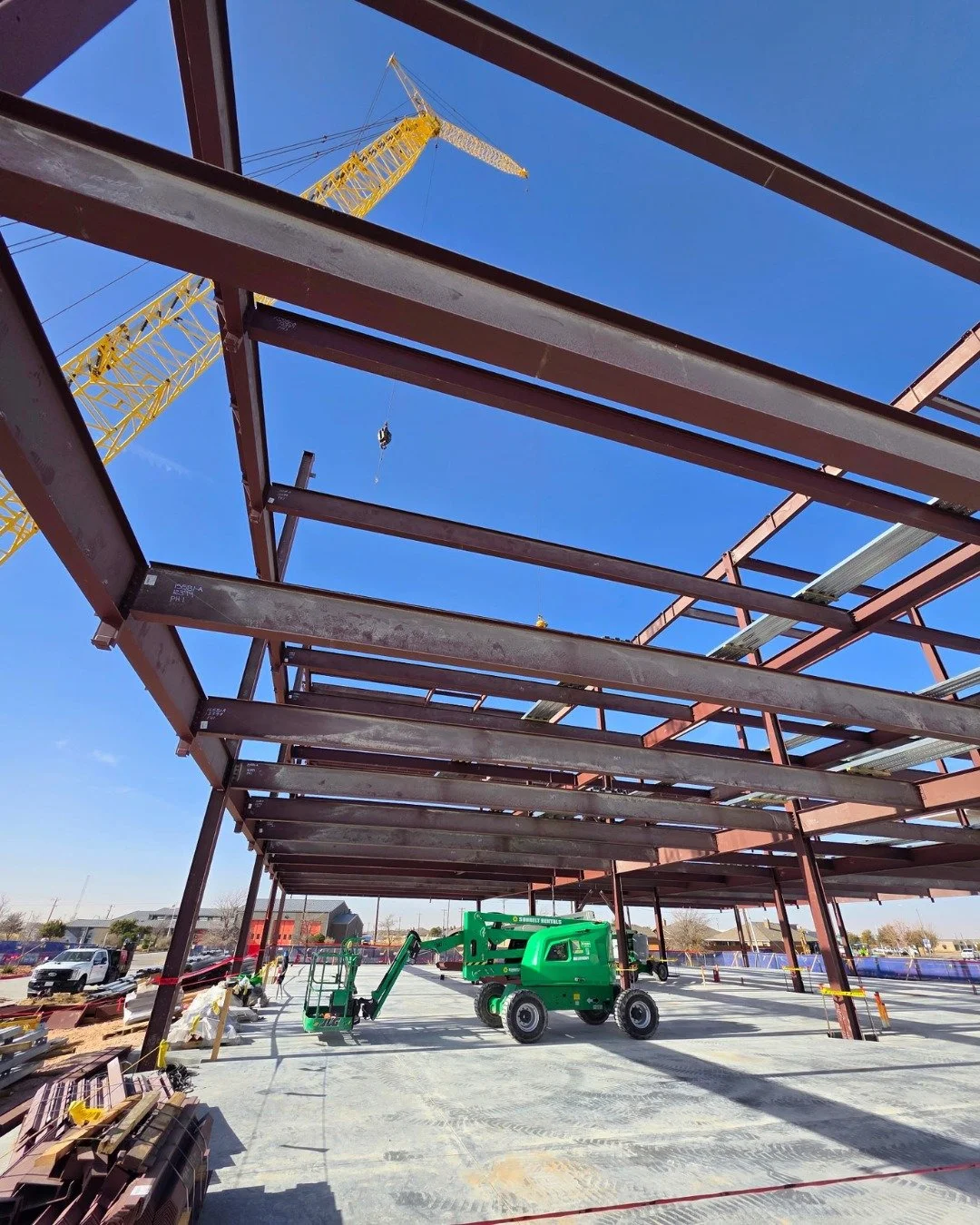
During construction, Horizon Line remains actively engaged to protect our client’s interests and ensure the project is built as designed.
Review monthly pay applications and coordinate with contractor.
Manage RFIs, submittals, and correspondence through organized logs.
Provide monthly site reports including progress photos, submittal log review, RFI log, change order log, budget updates, and schedule updates.
Conduct regular site visits (frequency to be determined based on construction phase and complexity; we anticipate biweekly minimum with increased frequency during critical milestones).
Coordinate field revisions and drawing/specification updates with the project team.
Manage punch list through completion.
-
We close every project with the same discipline we bring to the design process—ensuring our clients have everything needed for successful long-term operations.
Deliver final as-built drawings and specifications.
Compile equipment manuals, warranty information, and training/procedure documents.
Conduct a lesson learned session with our client and contractor.
Archive all project documents for future reference.
Frequently Asked Questions
-
Located in Bartlesville, Oklahoma, Horizon Line is currently licensed in Oklahoma, Alabama, Arkansas, Georgia, Illinois, Kansas, Colorado, Massachusetts, Michigan, Missouri, Nevada, New Mexico, North Dakota, Ohio, Texas, and Washington DC.
-
Horizon Line Architecture & Interiors provides comprehensive design services across commercial, institutional, healthcare-adjacent, and community-oriented project types—from early programming and conceptual design through construction documents, bidding, and construction administration. Our in-house capabilities include architectural design, interior design, space planning, FF&E coordination, and full consultant management for MEP, structural, and civil engineering.
-
You can give us a call, send us an email, or fill out our contact form. Our studio manager will get in touch with you and walk you through starting the process.
-
We are a relatable team with a down-to-earth approach. We don’t lead with ego—we lead with intention. Our clients choose us because we listen before we draw, we communicate plainly, and we treat every project as a partnership. Whether we’re designing a franchise restaurant, a church campus expansion, or a community health facility, we bring the same commitment: thoughtful design grounded in the real needs of the people who will use the space every day.